Renting a Car in Morocco: Checklist to Avoid Hidden Fees and Disputes
From booking to return, the checks that prevent surprise charges when you rent a car in Morocco: inspection, fuel, papers, police stops and the hidden fees travellers report most.
8 min read
What should you check before booking a rental car in Morocco?
Before you book, make sure you know the full price and the conditions, not just the daily rate. Most disputes in Morocco come from fees that were real but never clearly explained. Ask for these points in writing, by email or WhatsApp:
- Total price including insurance, taxes, delivery and extras
- Excess amount under basic insurance, and what full cover costs
- Deposit: how much, on which card, and when it is released
- Fuel policy: same level or full-to-full is the fairest
- Mileage: unlimited or capped
- Exclusions: tyres, glass, underbody and unpaved roads are often not covered
- Late return and cancellation rules
Why are very cheap offers a warning sign?
A daily rate far below the market usually means the money is made elsewhere: a large deposit, a high excess, expensive insurance sold at the counter or charges at return. Compare total prices for the same dates and the same level of cover, not headline rates.
Our guide to car rental costs in Morocco explains what a realistic total looks like, and the guide to deposits and renting without a credit card shows how card blocks work.
Which documents do you need at pickup?
Bring your physical driving licence, your passport and, if your licence requires it, an International Driving Permit or official translation for the road. At Miles Cars, your passport (or national ID card for Moroccans) and a valid driving licence are all you need to rent, from age 18. Every additional driver must show their own licence and be written on the contract, or they are not insured.
Never leave your passport with a rental company as a guarantee. The full list is in our article on documents to rent a car in Morocco.
How do you inspect a rental car at pickup?
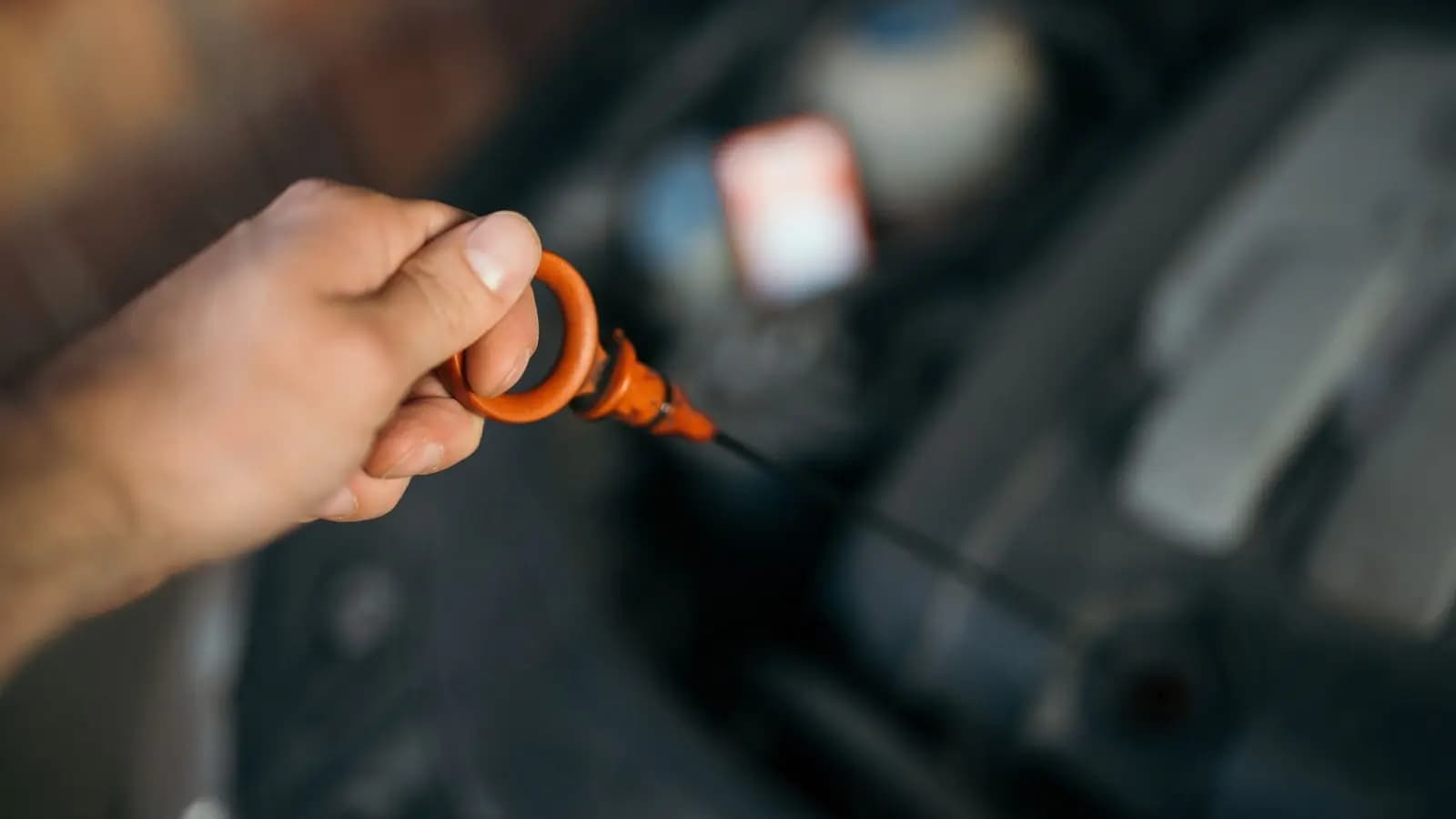
Walk around the car with the agent and make sure every scratch, dent and chip is marked on the check-out form before you sign. Then film a slow video of the whole car on your phone, with the date visible, including close-ups of existing damage. Pre-existing damage that was never recorded is the most common reason for disputes at return.
Do not stop at the bodywork. Check these points too:
- Windscreen: small chips and cracks, which spread with heat
- Tyres: tread and sidewalls, plus the spare tyre, jack and wheel wrench in the boot
- Wheels and bumpers: kerb marks on rims, scrapes under the front bumper
- Interior: seat stains or burns, the boot floor, the key and remote
- Lights, air conditioning, wipers and seatbelts
How do you check the fuel level and avoid fuel charges?
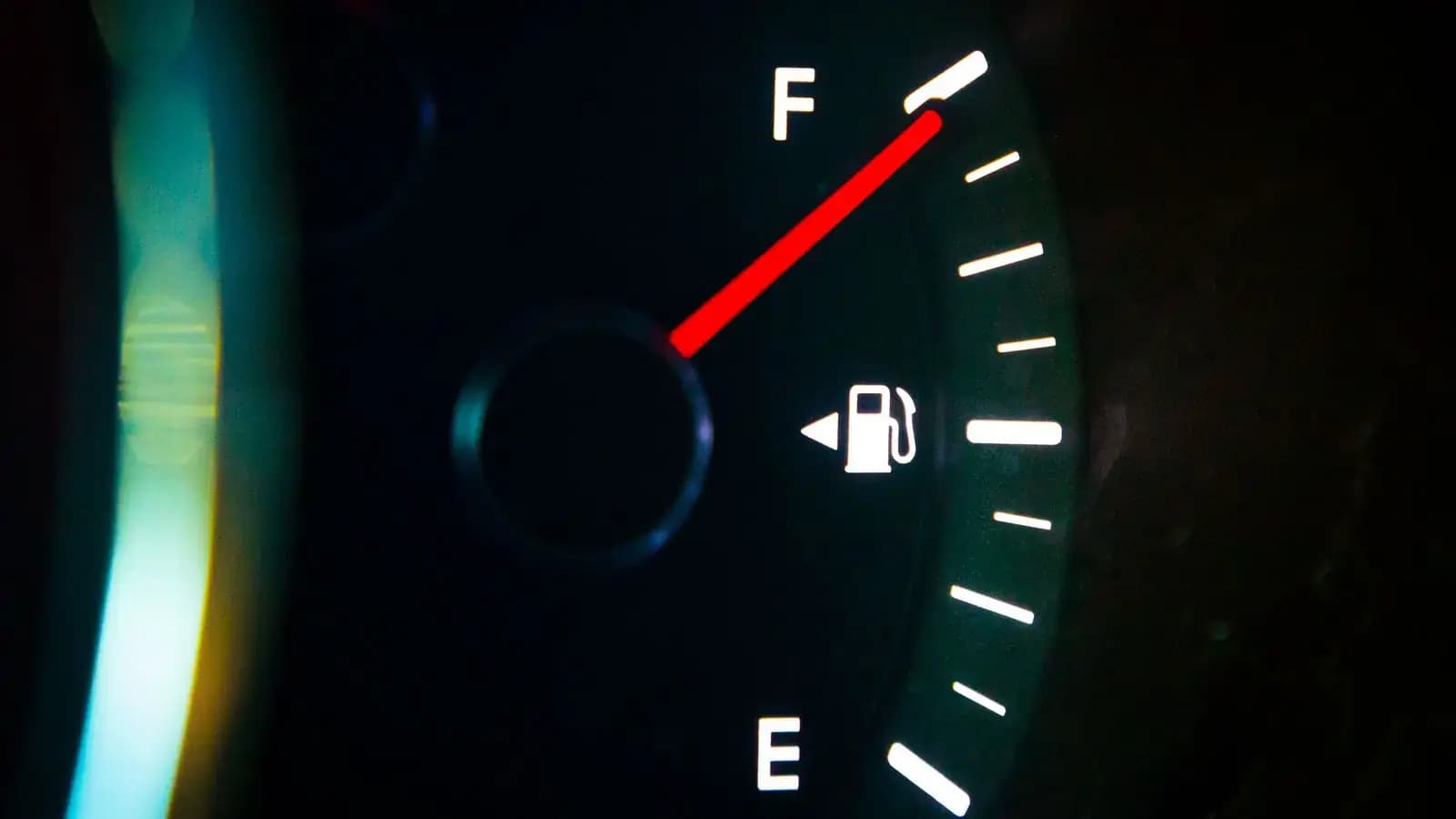
Take a photo of the dashboard with the engine running, showing the fuel gauge and the mileage, and check that the level matches the contract. Refuelling charges at return are often higher than the pump price, so this photo is your proof.
Under a same-level policy, refuel at a station close to the return point and keep the receipt. Our guide to fuel, tolls and parking in Morocco lists what to expect at the pump and on the motorway.
Which papers must be in the car?
Before you drive off, check the glovebox: police at checkpoints ask for the vehicle's papers as well as yours. A rental car should carry:
- The registration document (carte grise)
- The insurance certificate valid for your dates
- Your rental agreement, with every driver's name
- The company's phone number for breakdowns and accidents
What happens at police checkpoints and with fines?
Police and gendarmerie checkpoints are common at town entrances and on main roads. Slow down, stop fully at the stop line if asked, and show your licence, passport and the car papers. Most checks take a minute or two.
Speed is enforced with fixed radars and handheld guns, especially at town entrances where the limit drops. Minor traffic fines in Morocco are set by law, typically 300, 500 or 700 MAD depending on the class of offence, and can be paid on the spot. Always ask for the official receipt and never offer cash informally. Fines and tolls are the renter's responsibility, so read our tips on driving in Morocco before you set off.
What should you do after an accident or breakdown?
Call the rental company first, before arranging any repair or tow yourself. Take photos of the scene and the vehicles, and fill in an accident report (constat amiable) with the other driver, or ask for a police report if anyone is hurt or the other party disagrees.
Without the right report, the insurance may not cover the damage and the full cost can fall on you. Also remember that most contracts, including ours, allow paved roads only: damage on tracks, beaches or dunes is usually excluded.
How do you return the car without disputes?
Return on time, with the agreed fuel level, and inspect the car again with the agent present. Film the same walk-around as at pickup and photograph the dashboard showing fuel and mileage.
Ask the agent to confirm in writing, on the contract or by message, that the car was returned without new damage. Keep all receipts and the contract for a few months, in case a fine or a claim arrives later.
How does Miles Cars keep things simple?
We remove the usual friction points: no deposit and no credit card required, you pay on delivery or at the agency (by card if you prefer), mileage is unlimited and basic insurance is included, with optional full insurance at zero excess. The fuel rule is simple: return the car at the same level, with a 1-hour grace period on return time.
Delivery is free at Agadir Al Massira airport and at Agadir hotels, and the agent does the walk-around with you. Read our rental conditions, then book your car rental in Agadir online or on WhatsApp at +212 602 018 461.
Common hidden fees and how to avoid them
Old damage charged to you
- How it happens
- A scratch was not on the check-out form
- How to avoid it
- Check that every mark is on the form and film the car at pickup
Refuelling charge
- How it happens
- Fuel level lower than at pickup
- How to avoid it
- Photograph the gauge, refuel near the return point, keep the receipt
Excluded damage
- How it happens
- Tyres, glass or underbody not covered by basic insurance
- How to avoid it
- Ask what is excluded and consider zero-excess cover
Counter insurance upsell
- How it happens
- Extra cover pushed at pickup
- How to avoid it
- Decide on insurance before you travel
Cleaning fee
- How it happens
- Sand, stains or smoke in the car
- How to avoid it
- Shake out mats and return the car reasonably clean
Fine plus admin fee
- How it happens
- A traffic fine reaches the company after return
- How to avoid it
- Respect limits and pay any fine against a receipt
Late return
- How it happens
- Car returned after the grace period
- How to avoid it
- Agree the return time and plan for traffic
Uninsured driver
- How it happens
- Someone not on the contract drives
- How to avoid it
- Add every driver to the agreement
Frequently asked questions
Should I film the rental car at pickup?+
Yes. A slow, dated video of the whole car, interior and dashboard is the best proof against charges for damage that was already there.
Do I need full insurance when renting a car in Morocco?+
It is not required, but zero-excess cover removes most damage disputes. Our guide to car rental insurance in Morocco compares the options.
Can I pay a police fine on the spot in Morocco?+
Yes, minor fines can be paid on the spot. Always ask for the official receipt with the amount.
What fuel level should I return the car with?+
The level in your contract. At Miles Cars, return it at the same level as at pickup.
Can I drive a rental car on dirt tracks in Morocco?+
Most contracts exclude it. At Miles Cars, cars must stay on paved roads, and see our rental conditions for details.
Related guides
Book your car
Find your car